
Carrito de compra
Su pedido cuenta con 0 productos
Envío gratis a partir de $389.00 (Consulta T&C)
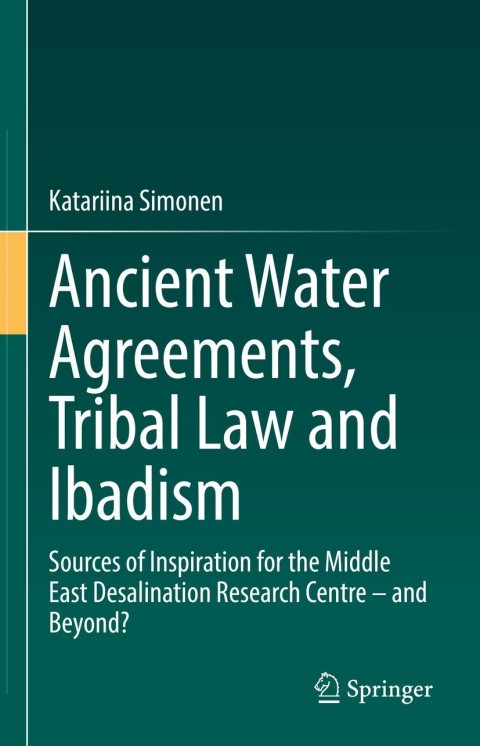
| ISBN: | 9783030852184 |
|---|---|
| Formato: | ePub |
| Idioma: | Inglés |
| Editorial: | Springer Nature |
| Tema: | Derecho |
| Subtema: | Historia Jurídica |
| Año de publicación: | 2021-10-19 |
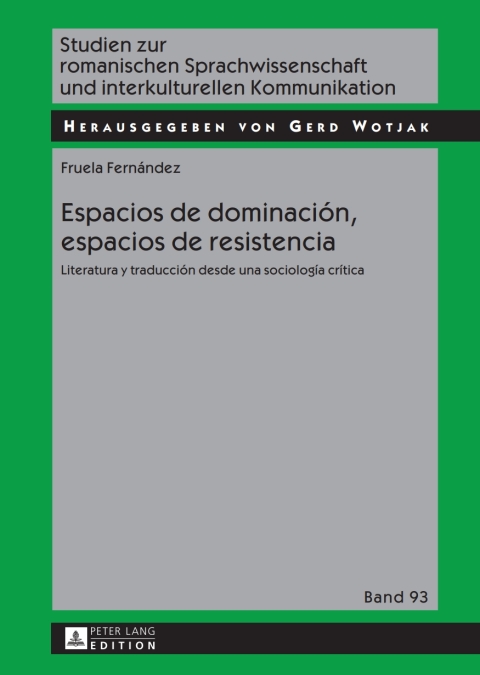
This book traces the development of Omans inclusive agreements and highlights their importance for international negotiations, dealing with issues most relevant to humanitys own survival today, nuclear weapons or climate change. In Oman, a historical seafaring nation on the south-eastern corner of the Arabian Peninsula, a culture of agreement that accommodates the interests of everyone has developed around the division of scarce water resources. Life in the arid inland of the Omani Hajar mountains would not have been possible without water. Irrigation channel (falaj) construction is extremely old and skilful therein. Local practices evolved around the division of water and land on the basis of fairness. The community would be best served by inclusion and the avoidance of conflict. A specific Islamic school called Ibadi arrived at Oman early on in the eighth century. Ibadi scholars conserved local practices. Consultation and mediation by sheikhs and the religiousleader, Imam, became the law of the land. The Omanis were known as the People of Consultation, Ahl Al Shura. In time, the practice of inclusive agreements would extend far beyond the village level, affecting Oman´s foreign policy under Sultan Qaboos. Oman´s water diplomacy succeeded in uniting the contestants of the Middle East Peace Process in the 1990s to work together on common problems of water desalination.








 Este sitio web utiliza cookies para mejorar la experiencia del usuario y asegurar su funcionamiento con eficacia.
Al utilizarlo usted acepta el uso de cookies.
Este sitio web utiliza cookies para mejorar la experiencia del usuario y asegurar su funcionamiento con eficacia.
Al utilizarlo usted acepta el uso de cookies.