
Carrito de compra
Su pedido cuenta con 0 productos
Envío gratis a partir de $389.00 (Consulta T&C)
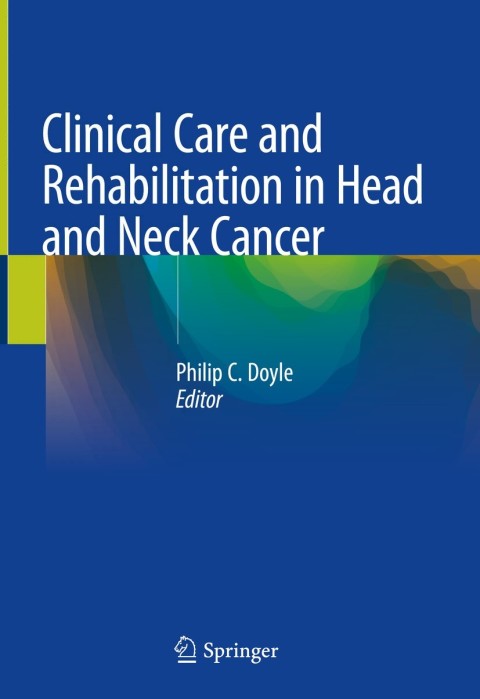
| ISBN: | 9783030047023 |
|---|---|
| Formato: | ePub |
| Idioma: | Inglés |
| Editorial: | Springer Nature |
| Tema: | Medicina |
| Subtema: | Audiología y Patología del Habla |
| Año de publicación: | 2019-03-21 |
Malignancies involving structures of the head and neck frequently impact the most fundamental aspects of human existence, namely, those functions related to voice and speech production, eating, and swallowing. Abnormalities in voice production, and in some instances its complete loss, are common following treatment for laryngeal (voice box) cancer. Similarly, speech, eating, and swallowing may be dramatically disrupted in those where oral structures (e.g., the tongue, jaw, hard palate, pharynx, etc.) are surgically ablated to eliminate the cancer. Consequently, the range and degree of deficits that may be experienced secondary to the treatment of head and neck cancer (HNCa) are often substantial. This need is further reinforced by the Centers for Disease Control and Prevention who have estimated that the number of individuals who will be newly diagnosed with HNCa will now double every 10 years. This estimate becomes even more critical given that an increasing number of those who arenewly diagnosed will be younger and will experience the possibility of long-term survival post-treatment. Contemporary rehabilitation efforts for those treated for HNCa increasingly demand that clinicians actively consider and address multiple issues. Beyond the obvious concerns specific to any type of cancer (i.e., the desire for curative treatment), clinical efforts that address physical, psychological, communicative, and social consequences secondary to HNCa treatment are essential components of all effective rehabilitation programs. Comprehensive HNCa rehabilitation ultimately seeks to restore multiple areas of functioning in the context of the disabling effects of treatment. In this regard, rehabilitation often focuses on restoration of function while reducing the impact of residual treatment-related deficits on the individual overall functioning, well-being, quality of life (QOL), and ultimately, optimize survivorship. Regardless of the treatment method(s) pursued for HNCa (e.g., surgery, radiotherapy, chemoradiation, or ur








 Este sitio web utiliza cookies para mejorar la experiencia del usuario y asegurar su funcionamiento con eficacia.
Al utilizarlo usted acepta el uso de cookies.
Este sitio web utiliza cookies para mejorar la experiencia del usuario y asegurar su funcionamiento con eficacia.
Al utilizarlo usted acepta el uso de cookies.