
Carrito de compra
Su pedido cuenta con 0 productos
Envío gratis a partir de $389.00 (Consulta T&C)
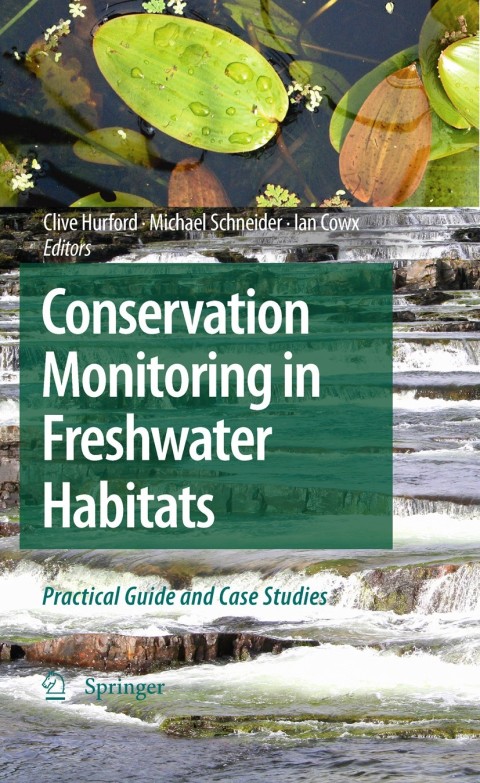
| ISBN: | 9781402092787 |
|---|---|
| Formato: | ePub |
| Idioma: | Inglés |
| Editorial: | Springer Nature |
| Tema: | Ciencia |
| Subtema: | Ciencias de la Vida ecología |
| Año de publicación: | 2009-12-09 |
As in the terrestrial environment, most data collection from freshwater habitats to date falls into the survey, surveillance or research categories. The critical difference between these exercises and a monitoring project is that a monitoring project will clearly identify when we need to make a management response. A Model for Conservation Management and Monitoring Monitoring (as defined by Hellawell) is essentially a tool of practical conservation management, and Fig. 1.1 shows a simple, but effective, model for nature conser- tion management and monitoring. The need for clear decision-making is implicit in this model. First we must decide what would represent a favourable state for the key habitat or species, and then we must decide when to intervene if the state is (or becomes) unfavourable. A third, often overlooked, but equally important, decision concerns when we would consider the habitat or species to have recovered; this is unlikely to be the same point that we became concerned about it. This decision not only has resource imp- cations, it can also have major implications for other habitats and species (prey species are an obvious example). All of these decisions are essential to the devel- ment of an efficient and effective monitoring project.






 Este sitio web utiliza cookies para mejorar la experiencia del usuario y asegurar su funcionamiento con eficacia.
Al utilizarlo usted acepta el uso de cookies.
Este sitio web utiliza cookies para mejorar la experiencia del usuario y asegurar su funcionamiento con eficacia.
Al utilizarlo usted acepta el uso de cookies.