
Carrito de compra
Su pedido cuenta con 0 productos
Envío gratis a partir de $389.00 (Consulta T&C)
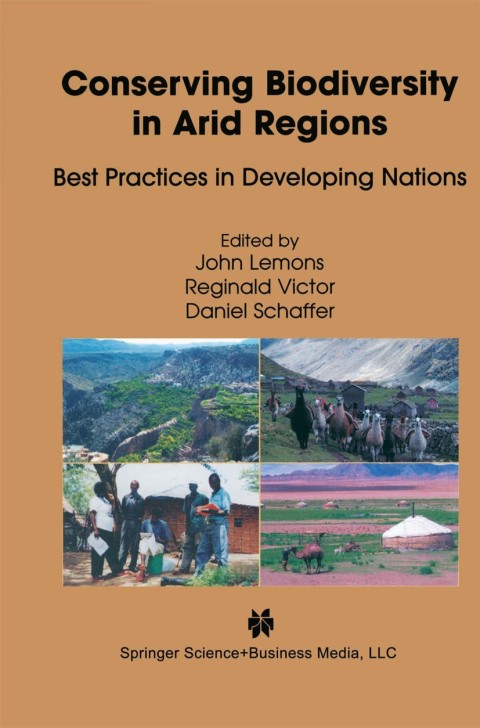
| ISBN: | 9781461503750 |
|---|---|
| Formato: | ePub |
| Idioma: | Inglés |
| Editorial: | Springer Nature |
| Tema: | Naturaleza |
| Subtema: | Conservación y Protección Ambiental |
| Año de publicación: | 2012-12-06 |
On the eve of the World Summit for Sustainable Development (WSSD), held in autumn 2002 in Johannesburg, South Africa, United Nations Secretary General Kofi Annan recommended five specific areas as focal points of discussion for the global forum: Water, energy, health, agriculture and biodiversity. In his address, "Towards a Sustainable Future," delivered just four months before the WSSD, Secretary General Annan contended that concrete progress in each of these areas, often referred to by their acronym WEHAB, would be key to improving the quality of life not only in the developing world but across the globe. For most people, I think it is fair to say that the inclusion of biodiversity in a list that focuses on basic human needs may not be self-evident. Water, energy, health and agriculture, yes. But why biodiversity? The truth is that biodiversity is just as critical to global well-being as water, energy, agriculture and health. This is because biodiversity both drives and shapes natures intricate and dynamic structure in an enduring form and force that enables both current and future generations to enjoy its bounty.






 Este sitio web utiliza cookies para mejorar la experiencia del usuario y asegurar su funcionamiento con eficacia.
Al utilizarlo usted acepta el uso de cookies.
Este sitio web utiliza cookies para mejorar la experiencia del usuario y asegurar su funcionamiento con eficacia.
Al utilizarlo usted acepta el uso de cookies.