
Carrito de compra
Su pedido cuenta con 0 productos
Envío gratis a partir de $389.00 (Consulta T&C)
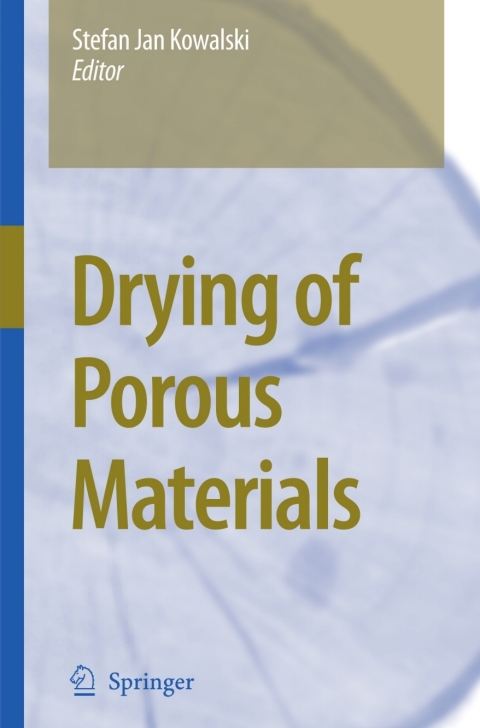
| ISBN: | 9781402054808 |
|---|---|
| Formato: | Page Fidelity |
| Idioma: | Inglés |
| Editorial: | Springer Nature |
| Tema: | Tecnología e ingeniería |
| Subtema: | Ciencia de los Materiales general |
| Año de publicación: | 2007-04-30 |
Thermal drying has been recognized as an important unit operation as it is ener- intensive and has a decisive effect on the quality of most products that are dried commercially. Escalating energy costs, demand for eco-friendly and sustainable te- nologies as well as the rising consumer demand for higher quality products, have given fresh incentives to industry and academia to devote great effort to drying R&D. Fortunately, this area does not demand a massive perfusion of R&D funds to come up with valuable insights and innovations, with only a few exceptions. Indeed, there is already a sustainable level of R&D support—both in terms of human and ?nancial resources—around the world. Emerging economies of the world, such as China, B- zil, India, etc, have picked up the slack caused by the fully developed economies of the west moving towards nanotechnologies. Overall, the global R&D effort has been rising despite precipitous drops in North America and Europe. With 12–25% of the national industrial energy consumption attributable to industrial drying in developed countries, it is only a matter of time before high energy costs will stimulate further R&D in drying.








 Este sitio web utiliza cookies para mejorar la experiencia del usuario y asegurar su funcionamiento con eficacia.
Al utilizarlo usted acepta el uso de cookies.
Este sitio web utiliza cookies para mejorar la experiencia del usuario y asegurar su funcionamiento con eficacia.
Al utilizarlo usted acepta el uso de cookies.