
Carrito de compra
Su pedido cuenta con 0 productos
Envío gratis a partir de $389.00 (Consulta T&C)
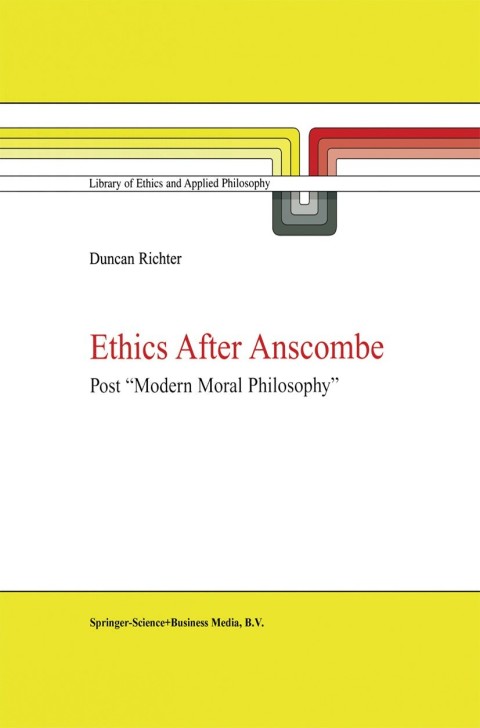
| ISBN: | 9789401714785 |
|---|---|
| Formato: | ePub |
| Idioma: | Inglés |
| Editorial: | Springer Nature |
| Tema: | Filosofía |
| Subtema: | Ética y Filosofía Moral |
| Año de publicación: | 2013-03-09 |
How, if at all, can we do moral philosophy in the light of the radical critique made by Elizabeth Anscombe in "Modem Moral Philosophy"? Among the principal theses of this essay is that ethical thinking (that of philosophers and others) suffers from a widespread appeal to incoherent uses of terms such as obligation, ought, right and wrong. In this book I first explain and evaluate her thesis and the argument for it, and I then confront the challenge it poses: what ways are there of doing moral philosophy that avoid the kind of incoherence to which she has drawn our attention? The best way to show how it is possible for us to think about ethics is to demonstrate how to do so, using actual cases. This book therefore combines the critical study of central theoretical issues about ethics, in the first half, with concrete examination of serious practical issues, in the second. Following Dostoyevskys Ivan Karamazov, it is often said that if God does not exist then everything is permitted. This is not literally the case, since God cannot permit anything if He does not exist, and those of us who do exist do not permit everything, or at least our parents, employers, and governments do not. It is true, though, that if God does not exist then nothing is forbidden in the traditional sense of forbidden.




 Este sitio web utiliza cookies para mejorar la experiencia del usuario y asegurar su funcionamiento con eficacia.
Al utilizarlo usted acepta el uso de cookies.
Este sitio web utiliza cookies para mejorar la experiencia del usuario y asegurar su funcionamiento con eficacia.
Al utilizarlo usted acepta el uso de cookies.