

Carrito de compra
Su pedido cuenta con 0 productos
Envío gratis a partir de $389.00 (Consulta T&C)
| ISBN: | 9783031111815 |
|---|---|
| Formato: | ePub |
| Idioma: | Inglés |
| Editorial: | Springer Nature |
| Tema: | Ciencia |
| Subtema: | Ciencias de la Tierra hidrología |
| Año de publicación: | 2022-11-05 |
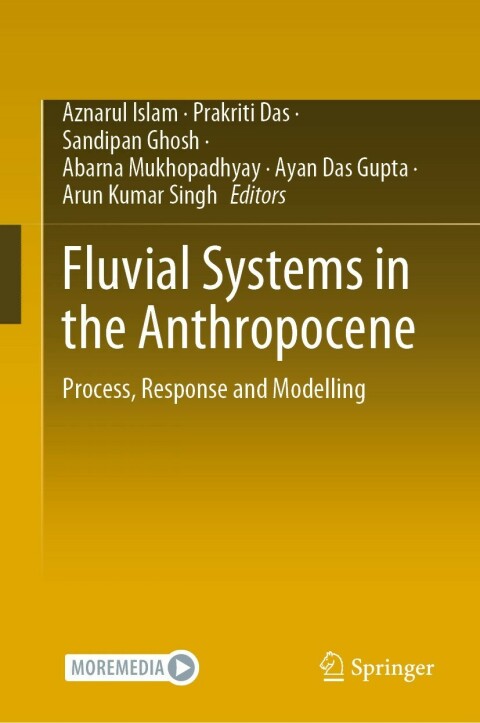
This book addresses the various factors affecting fluvial systems, the processes governing them, system responses arising from human-nature interventions, and geospatial and geo-ecological modeling to understand system behaviour better and restore degraded ecosystems around the globe. Thanks to their hydrological and agro-ecological advantages, humans have settled along riverbanks since the dawn of civilization. Thus, the ancient "ecumene" (settlements) were located near major rivers worldwide. This legacy of river-based civilizations continues to this day in many forms. However, in the course of the Anthropocene era, countless fluvial systems have been altered by human interventions in the form of large-scale dams and barrages, changes in land use and land cover, road-stream crossings, mining of sand and gravel, mushrooming of brickfield, expansion of modern agriculture, industrial growth, and urbanization. Thus, the present-day development pattern threatens fluvial systems,especially riverine morphology and ecosystems. In brief, human-induced morphological changes, water pollution, eutrophication, and related damages to aquatic organisms are the major threats to fluvial systems. Thus, maintaining the environmental flow of the worlds major rivers to preserve the proper functioning of riverine ecosystems and promote sustainable development is a global challenge.







 Este sitio web utiliza cookies para mejorar la experiencia del usuario y asegurar su funcionamiento con eficacia.
Al utilizarlo usted acepta el uso de cookies.
Este sitio web utiliza cookies para mejorar la experiencia del usuario y asegurar su funcionamiento con eficacia.
Al utilizarlo usted acepta el uso de cookies.