
Carrito de compra
Su pedido cuenta con 0 productos
Envío gratis a partir de $389.00 (Consulta T&C)
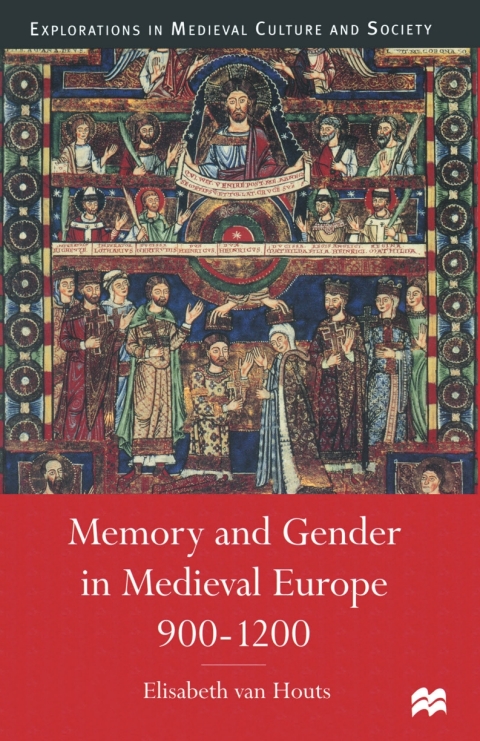
| ISBN: | 9781349275151 |
|---|---|
| Formato: | Page Fidelity |
| Idioma: | Inglés |
| Editorial: | Springer Nature |
| Tema: | Historia |
| Subtema: | Antigua general |
| Año de publicación: | 2016-07-27 |
Remembering the past in the Middle Ages is a subject that is usually perceived as a study of chronicles and annals written by monks in monasteries. Following in the footsteps of early Christian historians such as Eusebius and St Augustine, the medieval chroniclers are thought of as men isolated in their monastic institutions, writing about the world around them. As the sole members of their society versed in literacy, they had a monopoly on the knowledge of the past as preserved in learned histories, which they themselves updated and continued. A self-perpetuating cycle of monks writing chronicles, which were read, updated and continued by the next generation, so the argument goes, remained the vehicle for a narrative tradition of historical writing for the rest of the Middle Ages. Elisabeth van Houts forcefully challenges this view and emphasises the collaboration between men and women in the memorial tradition of the Middle Ages through both narrative sources (chronicles, saints lives and miracles) and material culture (objects such as jewellery, memorial stones and sacred vessels). Men may have dominated the pages of literature from the period, but they would not have had half the stories to write about if women had not told them: thus the remembrance of the past was a human experience shared equally between men and women.



 Este sitio web utiliza cookies para mejorar la experiencia del usuario y asegurar su funcionamiento con eficacia.
Al utilizarlo usted acepta el uso de cookies.
Este sitio web utiliza cookies para mejorar la experiencia del usuario y asegurar su funcionamiento con eficacia.
Al utilizarlo usted acepta el uso de cookies.