
Carrito de compra
Su pedido cuenta con 0 productos
Envío gratis a partir de $389.00 (Consulta T&C)
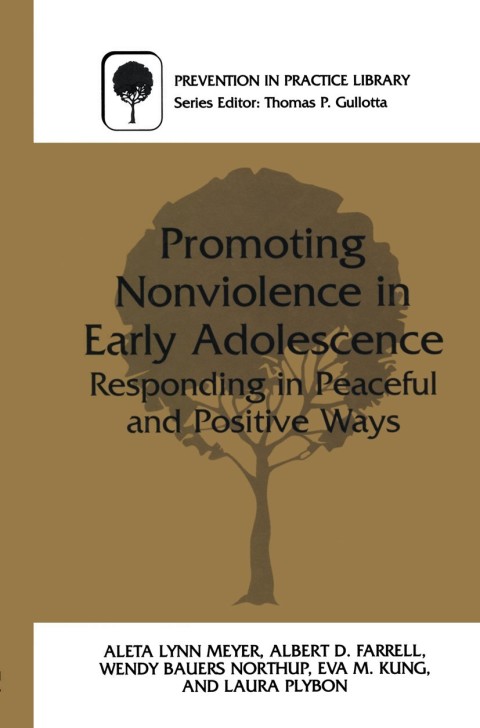
| ISBN: | 9781461542438 |
|---|---|
| Formato: | ePub |
| Idioma: | Inglés |
| Editorial: | Springer Nature |
| Tema: | Medicina |
| Subtema: | Salud Pública |
| Año de publicación: | 2012-12-06 |
In preparation for role-play during a RIPP class, 6th grade students consider the following conflict situation: Sharon and Josie, who are good friends, tryout for the basketball team. Josie makes the team, but Sharon does not. The week after tryouts, Sharon tries to pick a fight with Josie, calling her a "cheater" and "some one the coach felt sorry for. " Josie is in a bind; she wants to remain friends with Sharon, but she is really angry with Sharon for treating her so badly. What can Josie do in this situation? What type of self-talk will help her work out this prob lem with Sharon and keep the friendship? During the role-play, Sharon calls Josie a cheater. Then, before Josie re sponds, two students representing her positive and negative sides take turns whis pering into her ear. Negative self-talk: "Boy, is she a loser! What if everyone believes her and thinks that I cheated to get on the team?!" Positive self-talk: "I know I worked hard to get on the team! Sharon must really be hurt that she didnt make it. I can talk to her later when shes cooled down, and maybe we can do something together after practice. " Josie listens to the two voices, and decides that the best approach is to ignore Sharons comments for now and to call her later that day to see if they can do something together. This description of students dealing with everyday conflicts is quite real.




 Este sitio web utiliza cookies para mejorar la experiencia del usuario y asegurar su funcionamiento con eficacia.
Al utilizarlo usted acepta el uso de cookies.
Este sitio web utiliza cookies para mejorar la experiencia del usuario y asegurar su funcionamiento con eficacia.
Al utilizarlo usted acepta el uso de cookies.