

Carrito de compra
Su pedido cuenta con 0 productos
Envío gratis a partir de $389.00 (Consulta T&C)
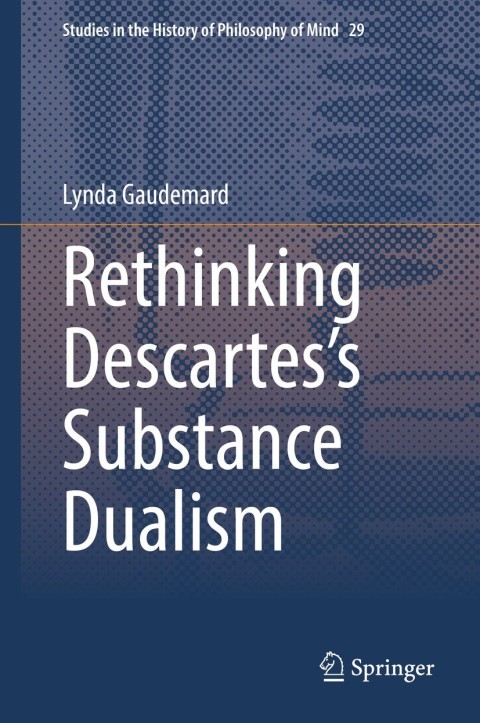
| ISBN: | 9783030754143 |
|---|---|
| Formato: | ePub |
| Idioma: | Inglés |
| Editorial: | Springer Nature |
| Tema: | Filosofía |
| Subtema: | Historia y Panorama general |
| Año de publicación: | 2021-09-01 |
This monograph presents an interpretation of Descartess dualism, which differs from the standard reading called classical separatist dualism claiming that the mind can exist without the body. It argues that, contrary to what it is commonly claimed, Descartes texts suggest an emergent creationist substance dualism, according to which the mind is a nonphysical substance (created and maintained by God), which cannot begin to think without a well-disposed body. According to this interpretation, God laws of nature endow each human body with the power to be united to an immaterial soul. While the soul does not directly come from the body, the mind can be said to emerge from the body in the sense that it cannot be created by God independently from the body. The divine creation of a human mind requires a well-disposed body, a physical categorical basis. This kind of emergentism is consistent with creationism and does not necessarily entail that the mind cannot survive the body. This early modern view has some connections with Hasker substance emergent dualism (1999). Indeed, Hasker states that the mind is a substance emerging at one time from neurons and that consciousness has causal powers which effects cannot be explained by physical neurons. An emergent unified self-existing entity emerges from the brain on which it acts upon. For its proponents, Hasker view explains what Descartes dualism fails to explain, especially why the mind regularly interacts with one and only one body. After questioning the notion of emergence, the author argues that the theory of emergent creationist substance dualism that she attributes to Descartes is a more appropriate alternative because it faces fewer problems than its rivals. This monograph is valuable for anyone interested in the history of early modern philosophy and contemporary philosophy of mind.Â






 Este sitio web utiliza cookies para mejorar la experiencia del usuario y asegurar su funcionamiento con eficacia.
Al utilizarlo usted acepta el uso de cookies.
Este sitio web utiliza cookies para mejorar la experiencia del usuario y asegurar su funcionamiento con eficacia.
Al utilizarlo usted acepta el uso de cookies.