
Carrito de compra
Su pedido cuenta con 0 productos
Envío gratis a partir de $389.00 (Consulta T&C)
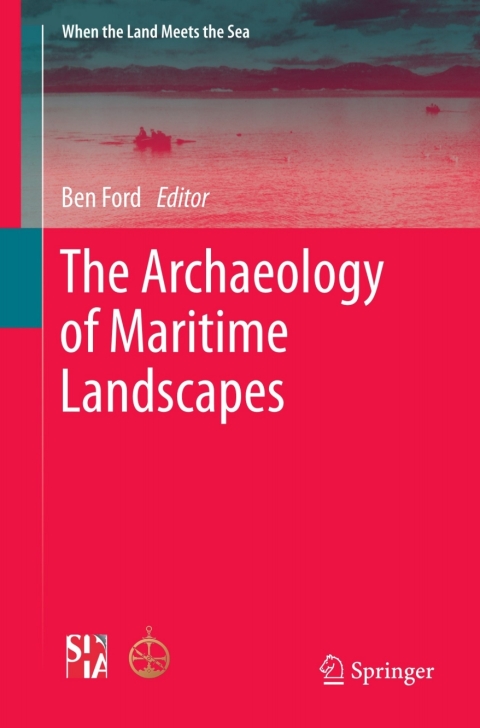
| ISBN: | 9781441982100 |
|---|---|
| Formato: | Page Fidelity |
| Idioma: | Inglés |
| Editorial: | Springer Nature |
| Tema: | Ciencias sociales |
| Subtema: | Arqueología |
| Año de publicación: | 2011-05-21 |
Maritime cultural landscapes are collections of submerged archaeological sites, or combinations of terrestrial and submerged sites that reflect the relationship between humans and the water. These landscapes can range in size from a single beach to an entire coastline and can include areas of terrestrial sites now inundated as well as underwater sites that are now desiccated. However, what binds all of these sites together is the premise that each aspect of the landscape –cultural, political, environmental, technological, and physical – is interrelated and can not be understood without reference to the others. In this maritime cultural landscape approach, individual sites are treated as features within the larger landscape and the interpretation of single sites add to a larger analysis of a region or culture. This approach provides physical and theoretical links between terrestrial and underwater archaeology as well as prehistoric and historic archaeology; consequently, providing a framework for integrating such diverse topics as trade, resource procurement, habitation, industrial production, and warfare into a holistic study of the past. Landscape studies foster broader perspectives and approaches, extending the study of maritime cultures beyond the shoreline. Despite this potential, the archaeological study of maritime landscapes is a relatively untried approach with many questions regarding the methods and perspectives needed to effectively analyze these landscapes. The chapters in this volume, which include contributions from the United States, the United Kingdom, Norway, and Australia, address many of the theoretical and methodological questions surrounding maritime cultural landscapes. The authors comprise established scholars as well as archaeologists at the beginning of their careers, providing a healthy balance of experience and innovation. The chapters also demonstrate parity between method and theory, where the varying interpretations of culture and space are given equal weight with the challenges of investigating both wet and dry sites across large areas.





 Este sitio web utiliza cookies para mejorar la experiencia del usuario y asegurar su funcionamiento con eficacia.
Al utilizarlo usted acepta el uso de cookies.
Este sitio web utiliza cookies para mejorar la experiencia del usuario y asegurar su funcionamiento con eficacia.
Al utilizarlo usted acepta el uso de cookies.