

Carrito de compra
Su pedido cuenta con 0 productos
Envío gratis a partir de $389.00 (Consulta T&C)
| ISBN: | 9780387225203 |
|---|---|
| Formato: | ePub |
| Idioma: | Inglés |
| Editorial: | Springer Nature |
| Tema: | Ciencia |
| Subtema: | Ciencias de la Vida general |
| Año de publicación: | 2012-12-06 |
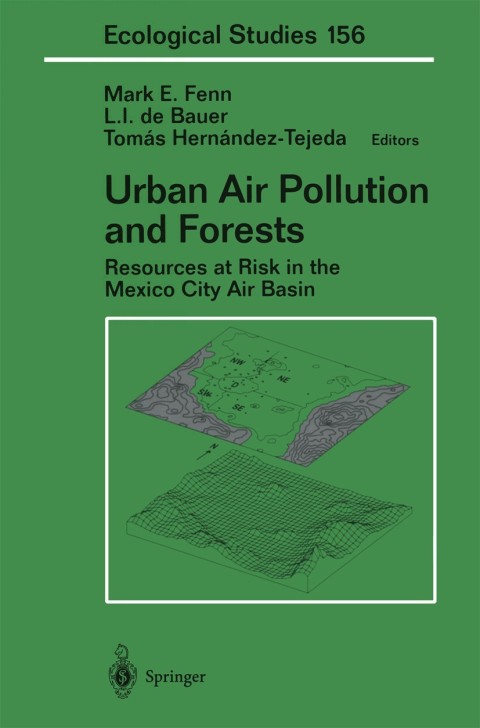
At present, roughly half of the worlds population lives in urban centers. There are now more than 20 cities with a population of over 10 million inhabitants, compared to less than 5 about 50 years ago. This tendency toward urbanization is expected to continue, particularly in the developing world. A consequence of this growing trend is that millions of people are being exposed to harmful levels of urban air pollutants caused mainly by emissions from motor vehicles and from industrial and domestic activities involving the combustion of fossil fuels. The driving force for the design and implementation of emission control strate gies aimed at improving air quality has been the protection of the health of the population in urban centers. There are, however, other consequences of the pres ence of air pollutants besides the direct effect on human health. Reduced visibil ity, damage to monuments and buildings, and many other such consequences indirectly affect our quality of life. Another set of consequences involves damage to ecological systems. In fact, the nature of "photochemical smog" was first uncovered in the 1950s in connection with observations of its harmful effects on crops and plants in the vicinity of Los Angeles.










 Este sitio web utiliza cookies para mejorar la experiencia del usuario y asegurar su funcionamiento con eficacia.
Al utilizarlo usted acepta el uso de cookies.
Este sitio web utiliza cookies para mejorar la experiencia del usuario y asegurar su funcionamiento con eficacia.
Al utilizarlo usted acepta el uso de cookies.