
Carrito de compra
Su pedido cuenta con 0 productos
Envío gratis a partir de $389.00 (Consulta T&C)
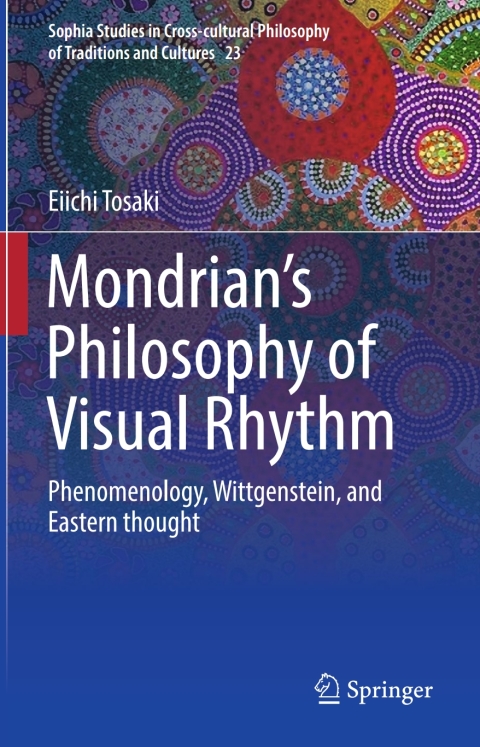
| ISBN: | 9789402411980 |
|---|---|
| Formato: | Page Fidelity |
| Idioma: | Inglés |
| Editorial: | Springer Nature |
| Tema: | Filosofía |
| Subtema: | Estética |
| Año de publicación: | 2017-11-15 |
This volume investigates the meaning of visual rhythm through Piet Mondrian unique approach to understanding rhythm in the compositional structure of painting, drawing reference from philosophy, aesthetics, and Zen culture. Its innovation lies in its reappraisal of a forgotten definition of rhythm as ‘stasis’ or ‘composition’ which can be traced back to ancient Greek thought. This conception of rhythm, the book argues, can be demonstrated in terms of pictorial strategy, through analysis of East Asian painting and calligraphy with which Greek thought on rhythm has identifiable commonalities. The book demonstrates how these ideas about rhythm draw together various threads of intellectual development in the visual arts that cross disparate aesthetic cultural practices. As an icon of early 20th Century Modernism, Mondrian neoplasticism is a serious painterly and philosophical achievement. In his painting, Mondrian was deeply influenced by Theosophy, which took its influence from Eastern aesthetics; particularly East Asian and Indian thought. However, Mondrian approach to visual rhythm was so idiosyncratic that his contribution to studies of visual rhythm is often under-recognized. This volume shows that a close inspection of Mondrian own writing, thinking and painting has much to tell scholars about how to understand a long forgotten aspect of visual rhythm. Rodin famous criticism of photography (“athlete-in-motion is forever frozenâ€?) can be applied to Muybridge zoopraxiscope, the Futurists’ rendition of stroboscopic images, and Duchamp “Nude Descending a Staircase.â€? Through a comparative study between Mondrian painting and these seminal works, this volume initiates a new convention for the cognition of the surface of painting as visual rhythm. “Mondrian simultaneous emphasis on the static and the rhythmic is hardly fodder for a publicist. Eiichi Tosaki has taken on the challenge of elucidating Mondrian theories of rhythm, and particularly his conception of “staticâ€? rhythm. The result is a tour de force that will forever alter the reader encounter with the works of Mondrian.â€? Prof. Kathleen Higgins Â






 Este sitio web utiliza cookies para mejorar la experiencia del usuario y asegurar su funcionamiento con eficacia.
Al utilizarlo usted acepta el uso de cookies.
Este sitio web utiliza cookies para mejorar la experiencia del usuario y asegurar su funcionamiento con eficacia.
Al utilizarlo usted acepta el uso de cookies.